

shape
shape

Category: Ayurveda Health

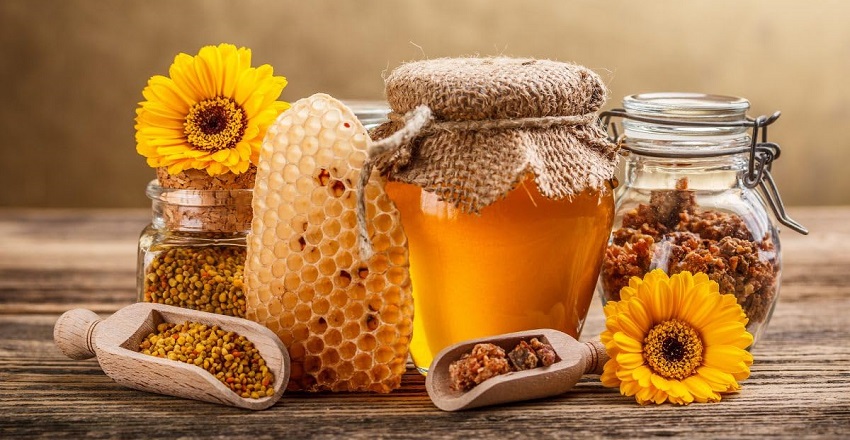
Honey Bee Pollen: The Golden Superfood for Energy, Endurance & Vitality

In the realm of Ayurveda and holistic living, nature has always held the key to true nourishment. Among its most treasured offerings is a tiny yet powerful substance known as Honey Bee Pollen. Often called “nature’s multivitamin,” this golden dust collected by bees is a complete, nutrient-dense food that offers remarkable energy, stamina, and rejuvenation—making it a perfect companion for fitness enthusiasts, athletes, and anyone seeking a natural boost. At Anammyaa Wellness, we honour the wisdom of nature and Ayurveda. That’s why we’re excited to share something special with you. Introducing Soon: Anammyaa’s Pure Honey Bee Pollen Your daily dose of energy, endurance, and Ayurvedic vitality—in its most natural form. Hand-harvested. Nutrient-rich. 100% natural. What Is Bee Pollen? Bee pollen is not the same as the pollen that causes seasonal allergies. It is a divine blend of flower pollen, nectar, bee enzymes, and honey, collected by hardworking honeybees and packed into granules. This potent superfood is used by bees as… Continue reading Honey Bee Pollen: The Golden Superfood for Energy, Endurance & Vitality
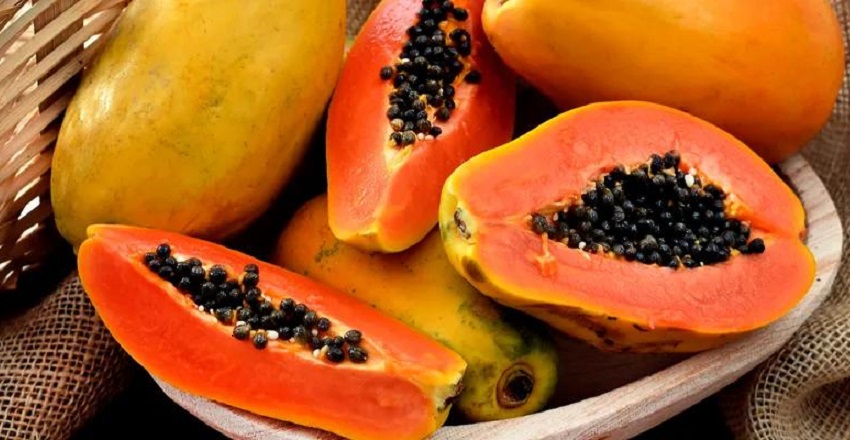
Papaya: Great for Digestion, But a Big No in Summer

Papaya has earned a glowing reputation for its digestive benefits—especially as a natural remedy for constipation. But just because it “clears your stomach” doesn’t mean it belongs on your plate all year round. From an Ayurvedic lens, papaya is not a seasonal fruit for all doshas, and it is absolutely unsuitable during summer months, no matter how tempting it may seem. Let’s unravel the reasons why. Papaya is Ushna (Heating) by Nature In Ayurveda, papaya (Eranda Karkati) is classified as ushna veerya—meaning it has a hot potency. It stimulates agni (digestive fire), which can be helpful in sluggish digestion. But when consumed in the wrong season, it can do more harm than good. In summer, when Pitta dosha is already dominant due to the heat in the environment, adding more heat through diet—especially through fruits like papaya—can create doshic imbalance. Why Papaya Must Be Avoided in Summer Even if you’re constipated, eating papaya during summer is a big Ayurvedic no.… Continue reading Papaya: Great for Digestion, But a Big No in Summer

Why I Skipped Buying Methi Theplas This Summer: An Ayurvedic Insight

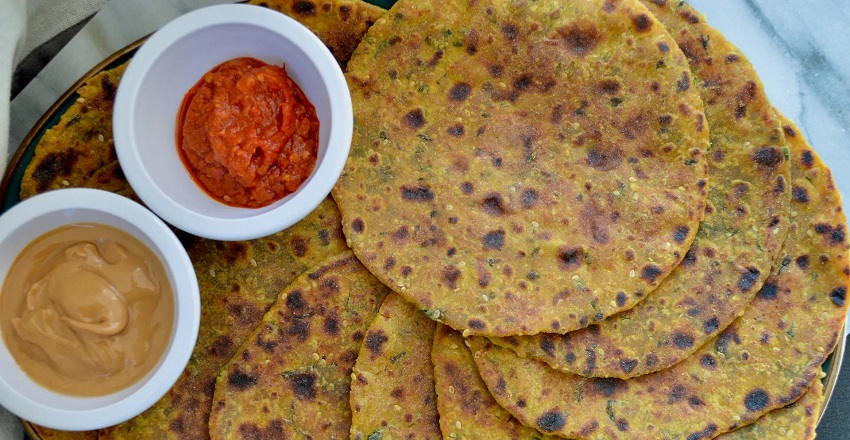
The other day, I was at a local organic store, picking up seasonal fruits and herbs for my kitchen pharmacy. As I walked past the fresh snacks section, I noticed a flurry of people picking up neatly packed methi theplas — warm, inviting, and labelled “Wholesome & Nutritious.” It made me pause. Not because methi theplas aren’t healthy — they absolutely can be, in the right context. But because we often forget that in Ayurveda, there is no such thing as a universally healthy food. Every ingredient is judged not only by its taste or nutritional value but also by the season, body constitution (prakriti), digestive strength (agni), and current imbalances (vikriti). And that’s what inspired this blog — a gentle reminder that methi isn’t always your best friend, especially not in the peak of summer. Understanding Methi in Ayurveda Methi (fenugreek) is tikta (bitter) and katu (pungent) in taste, ushna (hot) in potency, and has a drying, penetrating quality… Continue reading Why I Skipped Buying Methi Theplas This Summer: An Ayurvedic Insight

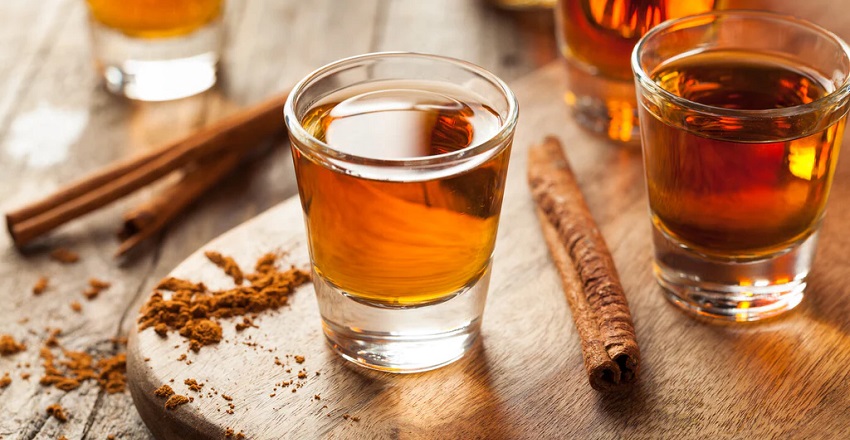
Balancing Spirits: Why Adding Cinnamon and Olives to Whiskey Makes It Better for Vata

In the world of Ayurveda, even indulgences can be transformed into mindful rituals when we understand the doshic impact of what we consume. One such indulgence is whiskey—a sharp, drying spirit that often aggravates Vata dosha. But what if we could make it more harmonious by adding nature’s balancing agents? Enter: Cinnamon and Olives. At Anammyaa Wellness, we believe in small, intentional choices that align pleasure with balance. This blog explores how something as simple as infusing your drink with cinnamon and olives can shift whiskey from Vata-aggravating to Vata-supportive. Why Ayurveda Cautions Against Alcohol Ayurveda views alcohol (Madya) as a powerful, potent substance that has the ability to either support or destroy health, depending on the context in which it’s consumed. Ayurvedic Concerns with Alcohol: That said, classical Ayurvedic texts do include alcohol-based preparations (Arishtas, Asavas) as medicines, but these are carefully formulated with herbs, aged for months, and used in small, therapeutic doses—very different from recreational drinking. Whiskey:… Continue reading Balancing Spirits: Why Adding Cinnamon and Olives to Whiskey Makes It Better for Vata

Ayurveda and the VataDosha Diet: Grounding the Air Within in Summers

In the vast and ancient science of Ayurveda, the key to true well-being lies in balancing the three doshas—Vata, Pitta, and Kapha—each born from the five elements. Of these, Vatadosha, governed by air and ether, is the most subtle yet powerful, directing movement in the body and mind. When Vata is stable, we enjoy mental clarity, vitality, and creativity. However, when imbalanced—especially in dry, windy, or chaotic conditions—symptoms like anxiety, constipation, fatigue, and dryness may appear. This is where an Ayurveda VataDosha Diet becomes essential, particularly during summers when dehydration and mental agitation are common. Understanding VataDosha Vata controls all motion: breath, blood flow, elimination, and neural impulses. But its light, dry, and mobile qualities can lead to imbalance quickly. Thankfully, Ayurveda teaches that by applying the opposite qualities—warmth, moisture, stability, and nourishment—we can pacify Vata naturally and effectively. What is a Vata-Pacifying Diet? The Ayurveda VataDosha Diet focuses on grounding and rejuvenation. Transitioning away from cold or raw foods… Continue reading Ayurveda and the VataDosha Diet: Grounding the Air Within in Summers

Ayurveda and Hair Growth: Nourish Your Roots, Naturally

When it comes to Ayurveda and hair growth, it’s not just about surface treatments — it’s about internal health, doshic harmony, and emotional balance. Ayurveda views hair as a reflection of your inner state, and the path to strong, vibrant hair lies in balancing the body’s energies while nourishing your scalp and roots holistically. Let’s dive into how Ayurveda and hair growth go hand in hand for long-term hair wellness. Your Hair and Your Dosha In Ayurveda, every individual has a unique prakriti (constitution) and vikriti (current imbalance). These doshas — Vata, Pitta, and Kapha — play a vital role in hair texture, strength, and health. By identifying your dosha, you can tailor your Ayurveda and hair growth regimen effectively. What Triggers Hair Issues in Ayurveda? To understand how Ayurveda promotes hair growth, it’s essential to first recognize the root causes: Ayurvedic Hair Rituals for Growth & Strength 1. Nasya (Nasal Oil Therapy) This ancient practice calms the nervous system… Continue reading Ayurveda and Hair Growth: Nourish Your Roots, Naturally

Milk: Nectar or Toxin? Ayurveda’s Timeless Truth for Children’s Health

Milk has long been considered nature’s perfect food. But Ayurveda teaches us that not all milk is created equal. The source, season, timing, and compatibility with your dosha determine whether milk becomes nectar for the tissues or poison for digestion. Why Most Commercial Milk is Harmful Today Modern dairy milk often comes from: Such milk is heavy on the system and: Ayurvedic Dosha Guidance for Milk When used wisely and from a good source, milk: Why Gir Cow Milk is Ayurveda’s Gold Standard Ayurveda reveres the milk of native Indian breeds like Gir, Sahiwal, and Tharparkar, which produce A2 milk, naturally aligned with human digestion. Benefits of Gir or Sahiwal Cow Milk: Difference Between Jersey Cow Milk & Indian Gir/Sahiwal Cow Milk Aspect Jersey / HF Cow Gir / Sahiwal Cow Milk Type A1 beta-casein A2 beta-casein Digestibility Harder to digest, forms mucus Easy to digest, non-mucus forming Effect on Doshas Increases Kapha & Pitta Balances Vata & Pitta Energy… Continue reading Milk: Nectar or Toxin? Ayurveda’s Timeless Truth for Children’s Health

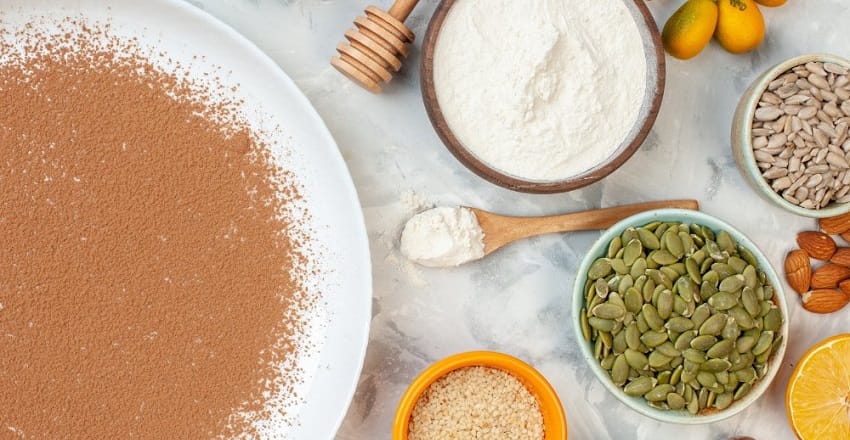
Power Up with Homemade Protein Powder

If you’re working out regularly and chasing fitness goals, chances are you’re reaching for a branded protein powder. But have you paused to check what’s inside that shiny pack? Artificial sweeteners. Chemical additives. Synthetic isolates. Modern protein powders often promise strength but can silently burden your digestion, hormones, and energy in the long run. Let’s flip the script with something pure, potent, and deeply rooted in Ayurvedic wisdom — a homemade protein powder crafted from whole, natural ingredients your body will actually recognize and absorb. Why Say No to Market Protein Powders? Homemade Protein Powder Recipe: Clean. Balanced. Ayurvedic. Ingredients (for a 100g blend) Nutritional Value (Per 100g Approx.) Nutrient Approx. Amount Protein 22–25g Healthy Fats 35–38g Fiber 12–14g Carbs 25–28g Calcium 250–300mg Magnesium ~200mg Zinc 3–4mg Iron 4–5mg Omega-3s ~4g (from flax & chia) Vitamins B1, B2, B6, E, C, Folate How to Consume (The Ayurvedic Way) Avoid: Cold milk, smoothies, or combining with fruits — such combinations are… Continue reading Power Up with Homemade Protein Powder

How Copper Supports Sugar Detox in Ayurveda

Stimulates Agni (digestive fire): Copper enhances jatharagni (digestive fire) naturally, which is essential for metabolizing sugars and preventing Ama (toxins). Balances Kapha dosha: Excess sugar intake elevates Kapha (leading to lethargy, heaviness, mucus). Copper’s heating and scraping (lekhana) properties help pacify Kapha, improving metabolism and energy. Boosts liver function: Copper strengthens Yakrit (liver), the master organ in sugar regulation and toxin processing. Enhances fat metabolism: By supporting Meda Dhatu (fat tissue), copper promotes healthy weight management and stabilizes blood sugar levels. Purifies and protects the gut: Copper’s krimighna (antimicrobial) action reduces sugar-feeding pathogens like Candida, keeping digestion clean and robust. Thus, incorporating copper water daily is an effective, gentle, and ancient Ayurvedic way to support the body’s natural sugar detox and metabolic renewal. Daily Copper Water Ritual (for Sugar Detox and Metabolic Balance) 1. Night Preparation: 2. Morning Practice: 3. Mindfulness Addition: 4. Vessel Care: Precautions for Safe Copper Water Use Moderation is key: Limit to 1–2 glasses per day… Continue reading How Copper Supports Sugar Detox in Ayurveda

Holistic Treatment for Knee Pain in Ayurveda

Knee pain is increasingly common in today’s sedentary yet high-stress lifestyle. From aging joints to lifestyle-induced imbalances, the reasons are many. Fortunately, treatment for knee pain in Ayurveda provides a natural and holistic approach without the need for invasive procedures. Instead of merely addressing symptoms, Ayurveda aims to correct the root cause through internal balance, detoxification, and rejuvenation of joint tissues. Understanding the Ayurvedic Root of Knee Pain According to Ayurveda, knee pain stems from an imbalance in Vatadosha, which governs movement, lubrication, and the nervous system. When Vata becomes aggravated, it results in dryness, stiffness, degeneration, and loss of joint flexibility. However, this isn’t the only factor. Several causes may contribute to persistent knee pain: Ayurvedic Causes of Knee Pain: Transitioning to Ayurvedic remedies can significantly help in reversing joint degeneration and alleviating discomfort when practiced consistently. Effective Ayurvedic Therapies for Knee Pain Ayurveda offers a multi-pronged healing system to target pain, swelling, and joint function. The following treatments… Continue reading Holistic Treatment for Knee Pain in Ayurveda

Take the first step towards towards better health.
Book your Consultation today!

Make appointment make a call

Get in Touch

Speak to our Expert

    Let's Chat

    Choice Billing Address

    ×

    You have no billing addresses.