


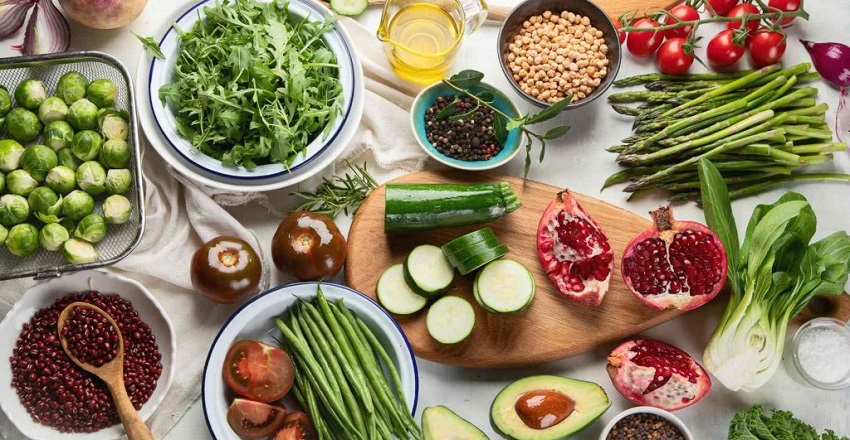
As nature transitions from the gentle bloom of spring into the intensity of summer, the human body too undergoes subtle physiological and energetic changes. In Ayurveda this period is considered highly sensitive, where diet and lifestyle must be consciously adapted to maintain internal balance.
Seasonal eating is not merely a recommendation in Ayurveda—it is a fundamental principle of staying aligned with nature’s intelligence.
Understanding the Seasonal Shift
Spring (Vasant Ritu) is dominated by Kapha dosha, which accumulates during winter and begins to liquefy as temperatures rise. This often manifests as heaviness, sluggish digestion, allergies, and accumulation of toxins (Ama).
As we gradually move into summer (Grishma Ritu), Pitta dosha begins to increase due to rising environmental heat. Simultaneously, digestive fire (Agni) starts to weaken, making the body more prone to dehydration, acidity, fatigue, and irritability.
This transition phase therefore requires a careful shift from Kapha-reducing to Pitta-balancing foods, without disturbing digestion.
Why Food Choices Must Change
Ayurveda is based on the principle:
“Like increases like, and opposites bring balance.”
- Spring requires foods that are light, drying, and mildly warming to reduce Kapha
- Summer requires foods that are cooling, hydrating, and gentle on digestion to balance Pitta
Continuing with heavy, oily, sweet, or unseasonal foods during this transition leads to:
- Formation of Ama (toxins)
- Digestive disturbances
- Skin disorders
- Lethargy and reduced immunity
Nature provides exactly what the body needs at the right time. Consuming foods that are naturally available in this transition supports effortless adaptation.
Seasonal Fruits for the Spring–Summer Transition
It is essential to emphasise that Ayurveda does not categorise fruits as universally “good” or “bad.” Their suitability depends on season, climate, and digestive capacity.
1. Muskmelon (Kharbuja)
- High water content, naturally cooling
- Helps prevent dehydration as heat increases
- Should always be consumed alone for proper digestion
2. Pear
- Cooling and mildly astringent
- Supports hydration and bowel regularity
3. Blueberries
- Light, antioxidant-rich, and Pitta-pacifying
- Suitable in moderation during rising heat
4. Yellow Raspberries
- Subtly sweet and cooling
- Help balance internal heat without burdening digestion
5. Pomegranate (Anaar)
- Tridosha balancing, especially beneficial for Pitta
- Enhances digestion while maintaining cooling balance
6. Naturally Matured Pineapple
- When properly ripened or sun-processed, aids digestion
- Helps clear residual Kapha without aggravating Pitta
7. Indian Grapes
- Hydrating, nourishing, and mildly cooling
- Support energy levels and fluid balance
The Ayurvedic Logic:
These fruits are selected based on:
- High जल तत्व (water content) for hydration
- Predominance of madhur (sweet) and kashaya (astringent) rasa
- Sheeta virya (cooling potency)
This combination ensures:
- Cooling of rising Pitta
- Maintenance of hydration
- Protection of digestive strength
Vegetables to Support This Transition
Vegetables during this period must be light, easy to digest, and water-rich, supporting both detoxification and hydration.
Recommended vegetables include:
- Bottle gourd (Lauki)
- Ridge gourd (Turai)
- Pumpkin (Kaddu)
- Pointed gourd (Parval)
- Ivy gourd (Kundru)
- Tender zucchini
- Bitter gourd ( karela )
- Okra ( Bhindi )
- Lotus stem ( Kamal kakdi)
- Tori
- Mushroom ( Sun basked )
- Brahmi saag
The Logic:
These vegetables:
- Reduce residual Kapha without increasing dryness
- Provide hydration without heaviness
- Support a gentle transition into the heat of summer
- Maintain digestive balance despite weakening Agni
Foods to Reduce or Avoid
- Heavy, oily, and fried foods
- Excess dairy, especially cream and cheese
- Fermented, sour, and overly spicy foods
- Refrigerated and leftover meals
- Unseasonal fruits, even if nutritionally dense
A Deeper Ayurvedic Insight
Modern nutrition evaluates food by its nutrient composition. Ayurveda evaluates food by its interaction with the body in a given season.
For example:
Certain fruits may be nutritionally rich but not seasonally aligned
Consuming them at the wrong time can disturb doshic balance and digestion like watermelon as of now
Thus, seasonal alignment becomes more important than nutritional trends.
Simple Practices for Seasonal Alignment
- Begin the day with warm or room-temperature water
- Include infusions of fennel, coriander, or rose for gentle cooling
- Consume fruits separately from meals
- Keep meals freshly prepared and light
- Avoid excessive exposure to direct heat during peak hours
The transition from spring to summer is a delicate yet powerful phase. By aligning food choices with seasonal intelligence, the body naturally adapts, detoxifies, and prepares for the intensity of summer.
At Anammyaa Wellness, this wisdom is deeply honoured:
When we eat according to the season, the body heals in alignment with nature.